

Consultation and Travel Planning
Turn your treating team's answers into a practical plan for lodging, clinical access, departure and follow-up at home.
The useful question is not simply how long recovery takes. It is whether you can carry out the care plan throughout your visit and after returning home. Hospitality Cancun publishes travel and consultation-planning guidance; your qualified treating clinician must determine treatment suitability, aftercare requirements and travel readiness.
What should your written aftercare instructions cover?
Discuss the expected care tasks during consultation, then ask how you will receive instructions tailored to the procedure actually performed. You need to understand what you will do yourself, what requires assistance and what belongs to a clinician.
The Aesthetic Center for Plastic Surgery's consultation guidance identifies immediate postoperative requirements, including possible drainage tubes and medications, as topics to discuss. That supports preparing questions, not adopting another practice's instructions as your own.
- What instructions will apply to medications, dressings, garments and any drains used?
- What limits will apply to walking, bathing, lifting, driving and everyday activities?
- Which tasks require another person or a qualified professional?
- Which changes require a routine call, prompt assessment or emergency care?
Ask the team to explain and demonstrate applicable tasks, then describe your understanding back to them. Arrange instructions in English or language support you can understand. Do not substitute online routines for the treating team's directions.
Who will check your progress and respond to concerns?
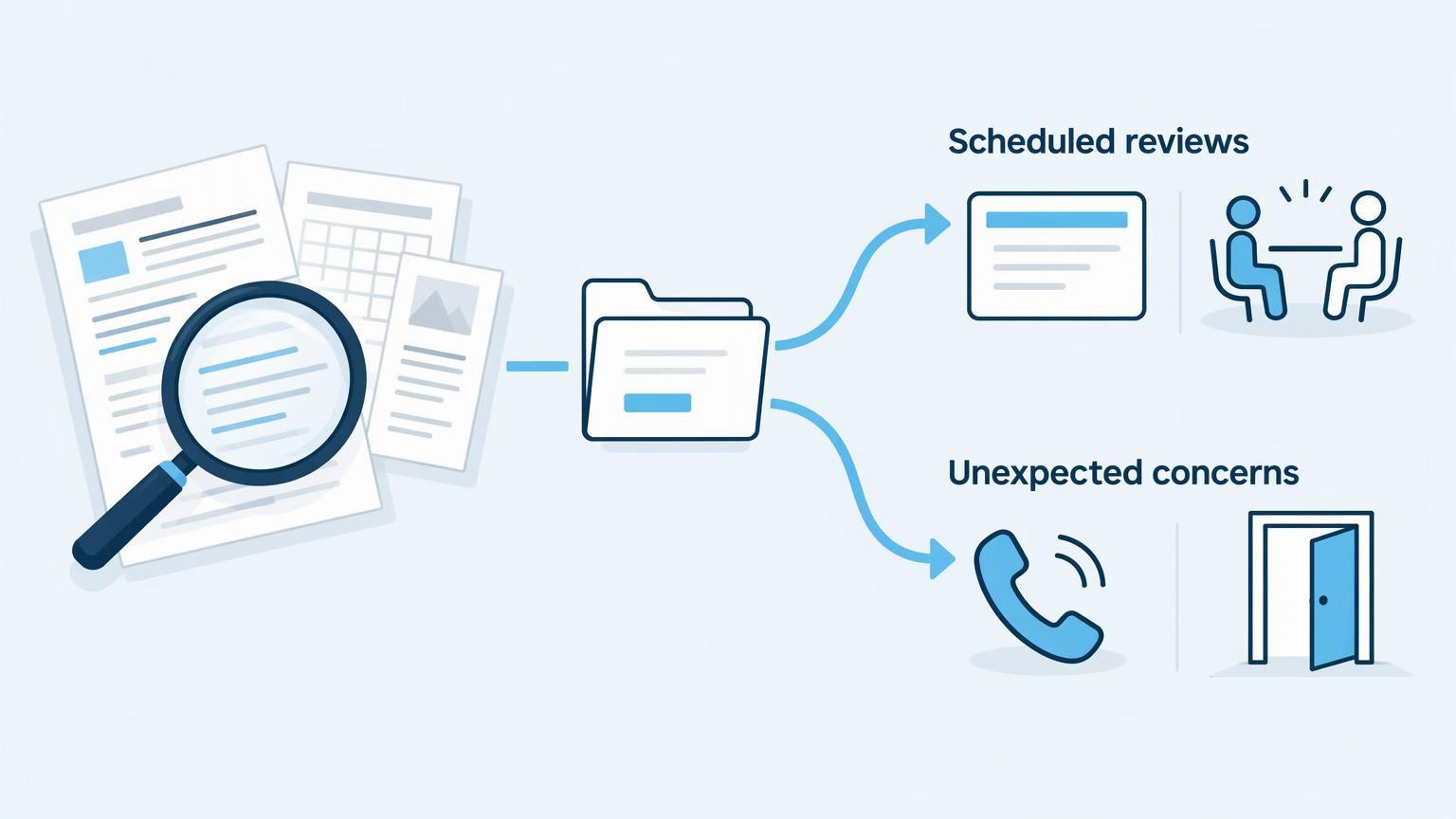
A usable follow-up plan identifies a responsible clinical team, the purpose of each review and a separate route for unexpected concerns. An appointment schedule alone does not explain what happens between visits.
Start by establishing the treating clinician's full name and the facility where care will occur. Request the credentials and licensing details needed for independent verification with the relevant issuing bodies. A travel contact or website affiliation does not establish who is responsible for your care.
Ask which reviews must be in person, where they will happen and who conducts them. If remote follow-up is proposed, have the clinician explain what it can assess and what would require an examination instead. Also establish what happens if the usual clinician is unavailable.
Before surgery, obtain the team's routine and after-hours clinical contact instructions and the emergency pathway they recommend. A general travel inquiry is not an urgent clinical channel. The practical result should be clear: you know where to attend a planned review and where to turn when an unplanned concern cannot wait for it.
| Arrangement | Suitable When | Reason | Trade-Off |
|---|---|---|---|
| Ordinary lodging | Your clinician's plan can be carried out with the assistance you have arranged. | Accommodation and clinical reviews remain separate. | Room features and transport still need to fit the plan. |
| Lodging with a companion | The identified needs include ordinary practical assistance. | A companion can help with agreed nonclinical tasks. | Companion availability does not establish clinical capability. |
| Clinician-specified professional support | The care plan requires tasks performed by a qualified professional. | Support is selected for a defined clinical responsibility. | Qualifications, scope, availability and charges must be established. |
Which lodging and assistance fit your care plan?
Choose accommodation and assistance by matching the treating team's requirements to specific tasks. Ordinary lodging may fit one plan; companion assistance or professional support may fit another. A property described as a recovery stay does not, by its name alone, establish clinical staffing.
Translate the instructions into practical needs: access without unsuitable stairs, meals, help with luggage, transport to reviews and any assistance the clinician specifies. Then compare accommodations against those needs. Confirm actual features and services with the supplier rather than assuming they are included.
A companion may be able to handle ordinary errands without being qualified to perform clinical tasks. If the treating team calls for professional care, ask what qualifications and responsibilities are required, then verify the proposed person's role. Hotel staff and drivers should not be treated as substitutes.
Keep accommodation selection separate from the decision about clinical support. Needing to change a room reservation does not itself create a need for nursing care. Conversely, an attractive room does not resolve a care task that requires a qualified professional.
How should follow-up shape your return flight?
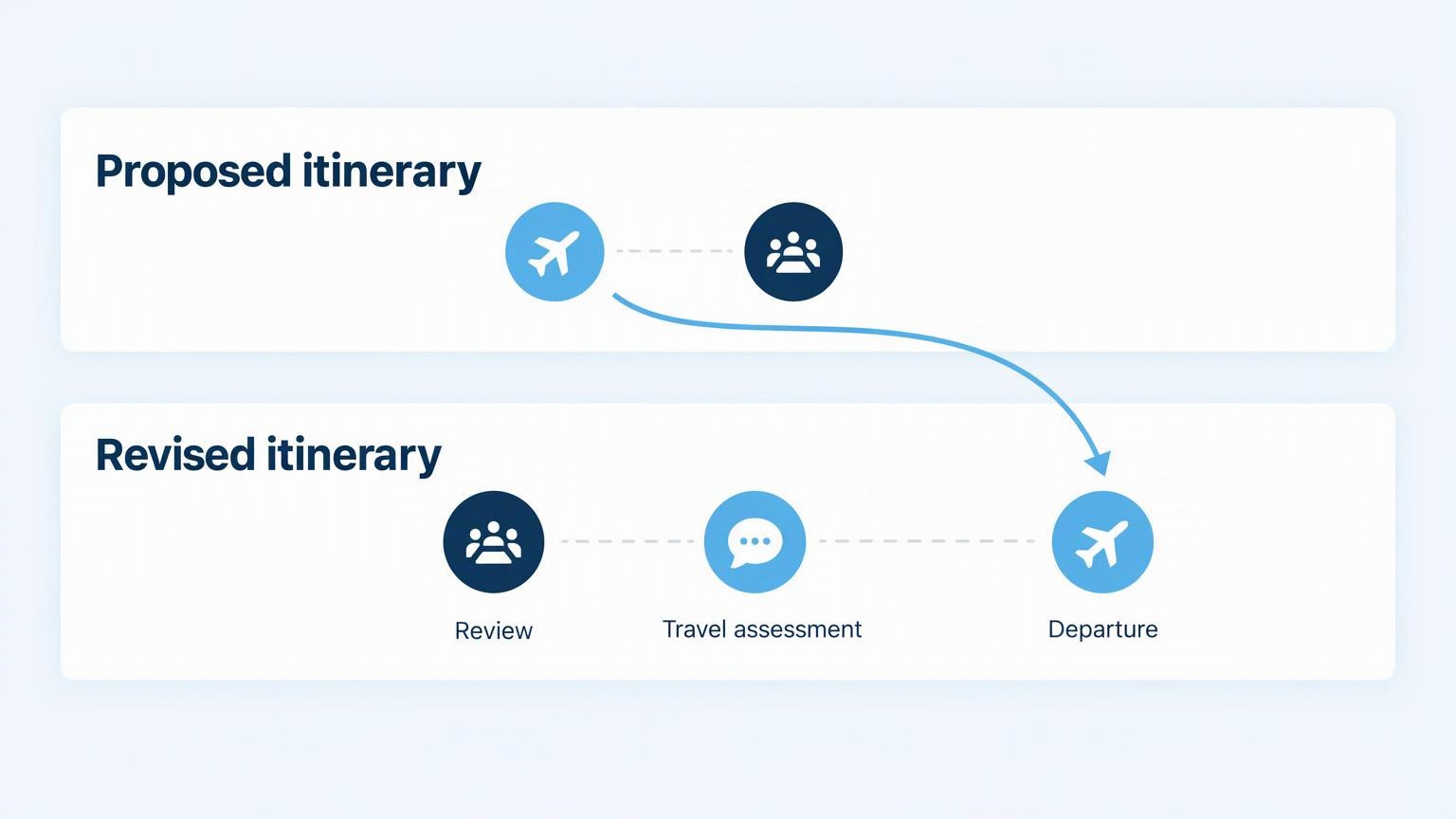
Build the return itinerary around the clinician's follow-up and travel assessment plan, not a fixed recovery-day count. Ask when departure readiness will be assessed, which reviews must occur first and what could lead the team to recommend a longer stay.
Say your proposed return flight leaves before an in-person review the treating team requires. Moving the flight preserves that review. Keeping the flight would require the clinician to approve a different follow-up arrangement and determine travel readiness; a video call cannot simply be substituted by you or a travel planner.
If no acceptable alternative exists, choose a later departure or postpone committing to that itinerary. More flexible booking terms may reduce the contractual consequences of a later change, but they do not provide medical clearance or guarantee replacement availability.
Once the clinical sequence is clear, compare flight and lodging change terms together. Also ask the clinician about any assistance or restrictions relevant to the journey itself. An airline's acceptance requirements and your clinician's assessment answer different questions, so neither should be assumed to replace the other.
What aftercare costs and change terms need separating?
Separate the service being purchased, the event that changes the plan and who bears the resulting cost. This makes a proposal easier to evaluate without assuming that every recovery-related expense is included in the surgical charge.
For example, if the clinician recommends staying longer for another review, the additional room night remains a lodging charge. The recommendation alone does not establish whether that night is included, who pays or whether the original reservation can be changed or refunded. Those answers depend on the applicable agreement and supplier terms.
For clinical services, distinguish scheduled reviews from additional consultations, tests or treatment that might become necessary. Ask the provider to identify what its written proposal includes and how services outside that scope would be authorized and charged.
Insurance is a separate question. Ask the insurer about coverage and claim conditions for the proposed trip, including relevant exclusions. Supplier cancellation, refund and change terms govern the booking contract; insurance terms govern possible reimbursement. Neither a clinical recommendation nor a policy name establishes that a particular expense will be covered.
What should be arranged before you return home?
Before departure, establish the remaining follow-up schedule and who will assess concerns once you are home. Returning to the United States does not automatically transfer responsibility to a local clinician.
If local follow-up is needed, contact the proposed clinician in advance and establish whether they will accept that role. Ask the operating team what information the receiving clinician needs, who will provide it and how the teams can communicate. A recommendation is not confirmation that another practice has accepted you.
Request a usable summary of the procedure, current instructions, medications and outstanding follow-up needs through the treating team's appropriate process. Clinical records belong in a named provider-confirmed secure channel, not a general travel form.
Keep a personal copy of the follow-up schedule and clinical contact instructions accessible during the journey. Know which questions still go to the operating team and which require assessment where you are. If a concern appears urgent, follow the emergency instructions rather than waiting for a travel-planning reply or the next scheduled remote review.
Frequently Asked Questions
Does a package labeled “aftercare included” answer these questions?
No. The label does not specify which reviews, supplies or assistance are included, who provides them or when inclusion ends. Compare the written scope with the tasks your treating team identifies. A package can include lodging without including professional care, and an included review may have a defined limit.
How much walking should I do after a tummy tuck?
Ask your treating clinician for an individualized walking plan, including frequency, limits and reasons to stop or seek advice. This guide does not prescribe an amount. Record the instructions alongside other activity restrictions so that your accommodation, assistance and journey plans reflect the directions you actually receive.
Can I combine the visit with sightseeing?
Do not build sightseeing into the recovery period as though it were an ordinary vacation. Ask the treating clinician which activities, if any, fit your instructions and follow-up schedule. Keep leisure plans optional rather than using them to determine departure timing, exertion or the accommodation you need.
What belongs in a first Hospitality Cancun inquiry?
Clarify the recipient and purpose before submitting any information. The first submission permits only name, email and optional contact-method preference. Later travel details can go to the confirmed travel contact. Permission for a requested reply, optional marketing and referral to a specifically named provider are separate choices. Clinical records require a named provider-confirmed secure channel. Do not put narratives, attachments, payment details or insurance identifiers in a general form.
Should I use these questions if my procedure plan changes?
Yes, but have the treating team revisit the answers for the revised procedure. Do not assume that instructions, assistance needs, follow-up or travel timing remain unchanged. Update the practical plan only after the clinician explains the relevant differences, and review any affected supplier terms before changing reservations.